Is Insulation Dangerous? Health and Safety Facts
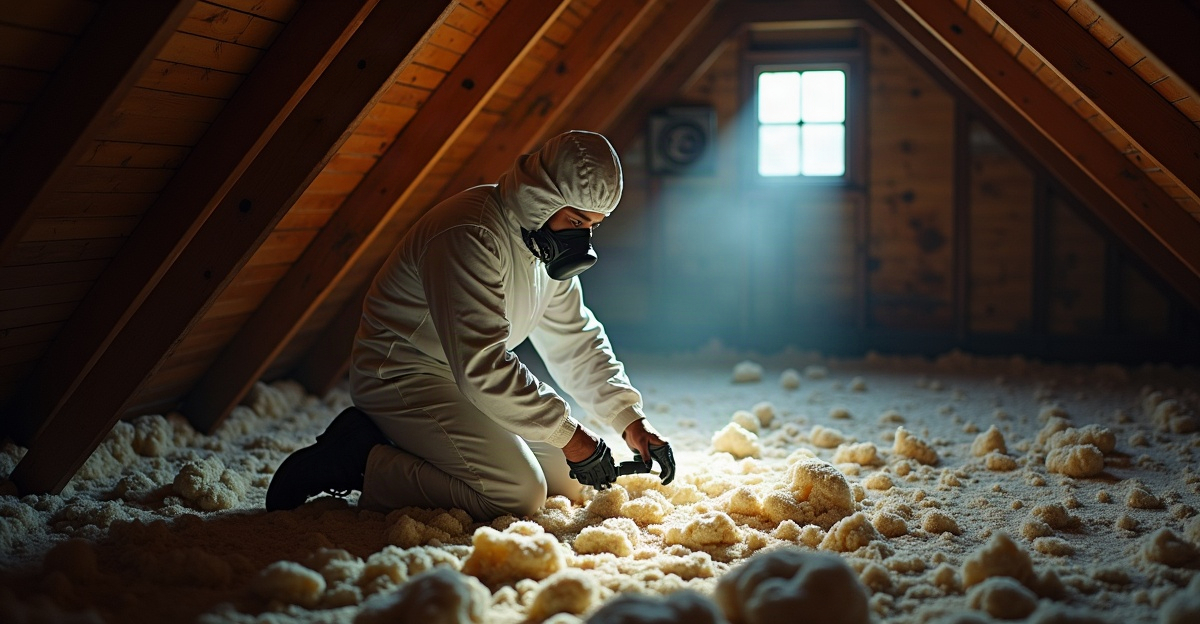
Most modern insulation remains safe when we choose the right material, install it correctly, keep it dry, and contain it properly. Damaged, wet, contaminated, or disturbed insulation can affect indoor air quality and needs prompt attention. Each material presents different safety concerns. Fiberglass and mineral wool can cause short-term skin and respiratory irritation during handling. Spray foam needs controlled application and full curing. Qualified professionals should assess suspected asbestos.
Key Takeaways
- Intact insulation inside enclosed walls, attic floors, and other non-living areas usually creates fewer concerns than exposed or deteriorating material.
- We recommend evaluating wet, moldy, compressed, pest-contaminated, or loose insulation. These conditions reduce performance and can contribute to air quality problems.
- Avoid disturbing insulation debris, especially in older buildings. Qualified professionals may need to test suspect materials for asbestos.
- Maintain proper clearances around chimneys, flues, recessed lights, electrical components, and ventilation paths. These clearances support fire safety and correct installation.
- A professional assessment can identify moisture, air leaks, contamination, and ventilation problems before we repair, remove, or replace insulation.
When Insulation Is Safe—and When It Needs Attention
Most modern insulation is safe when we select it correctly, install it properly, keep it dry, and place it in the right part of the building. Whether insulation is dangerous depends on the material, its condition, its location, the quality of installation, the level of exposure, and whether it has been disturbed.
Broad claims that all insulation is toxic or completely harmless miss the important details. Normal, undisturbed insulation inside wall cavities, attic floors, and other enclosed areas does not create the same concerns as insulation that is damaged, wet, loose, contaminated, or exposed to occupied spaces.
Exposed insulation in an unfinished attic is often expected, provided it remains dry, stable, and away from unsuitable areas. Exposed insulation in a bedroom, living area, return-air pathway, or space accessible to children and pets deserves attention. Covering, containment, repair, or replacement may be appropriate depending on the material and site conditions.
Insulation health risks also connect to indoor air quality. Airborne dust, fibers, odors, moisture, mold, and pest debris can move through a property if gaps, pressure differences, or return-air leaks allow them to enter living or working areas. For a useful overview of material purpose and placement, review what insulation is before deciding on repairs.
Health and Safety Concerns by Insulation Type
Each insulation type has different handling and installation requirements. The material itself, how it was installed, and its current condition all matter.
Fiberglass, Cellulose, Mineral Wool, and Spray Foam
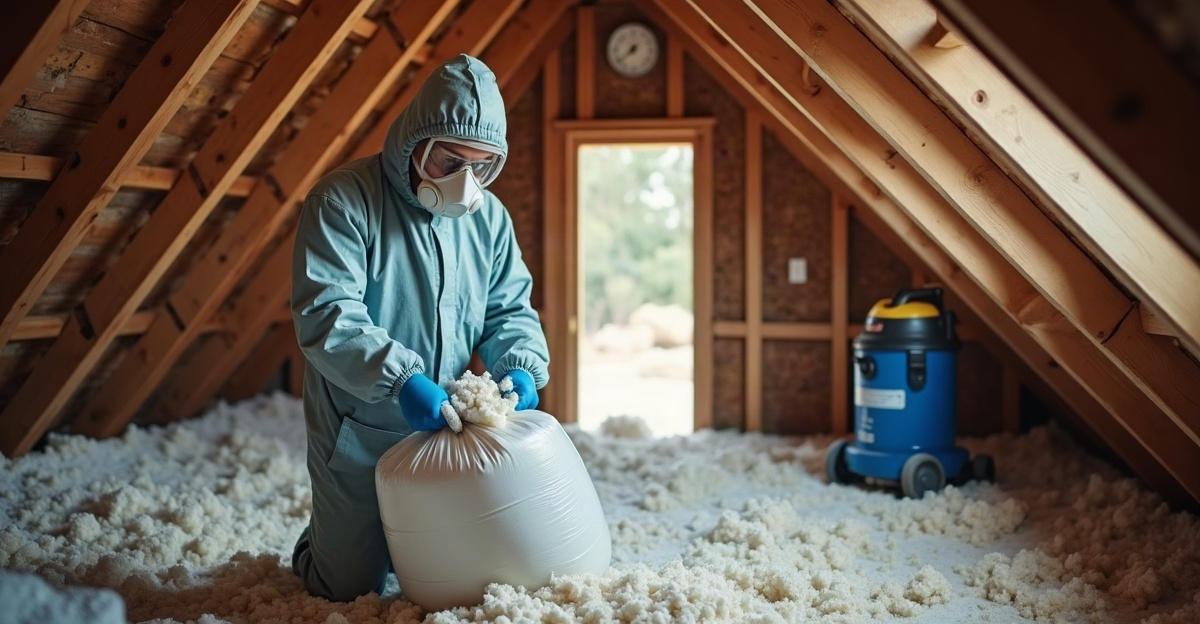
Fiberglass insulation health risks most often involve temporary irritation. Loose fibers can irritate skin, eyes, the nose, throat, and respiratory system when fiberglass is handled, cut, installed, or removed. Fiberglass insulation irritation does not mean routine contact automatically causes serious illness, but we should avoid unnecessary exposure and prevent fibers from becoming airborne.
Cellulose insulation safety depends heavily on dry, controlled installation and containment. Cellulose can create dust while it is installed or disturbed. Mineral wool insulation safety also depends on proper handling, since dust and fibers may irritate the skin, eyes, or airways during active work. Material-specific protective steps matter for both products, especially during removal or cleanup.
Spray foam insulation safety requires special care during application. Properly installed and fully cured spray foam is generally intended to be safe in the building. However, spray foam off-gassing and chemical exposure during installation require trained installers, effective ventilation, and strict adherence to manufacturer reoccupancy guidance. Spray foam installation is not a casual DIY project. Our spray foam insulation service focuses on correct preparation, application, and site-specific recommendations.
Older homes and commercial buildings can contain asbestos insulation or insulation-related materials. We cannot identify asbestos through a visual inspection alone. If a material is suspect, it should remain undisturbed until properly qualified asbestos professionals assess it.
Warning Signs That Insulation May Be a Problem
Insulation deserves evaluation when its appearance, odor, or condition changes. Moisture, mold, and rodent contamination often create more immediate concerns than an intact insulation product itself.
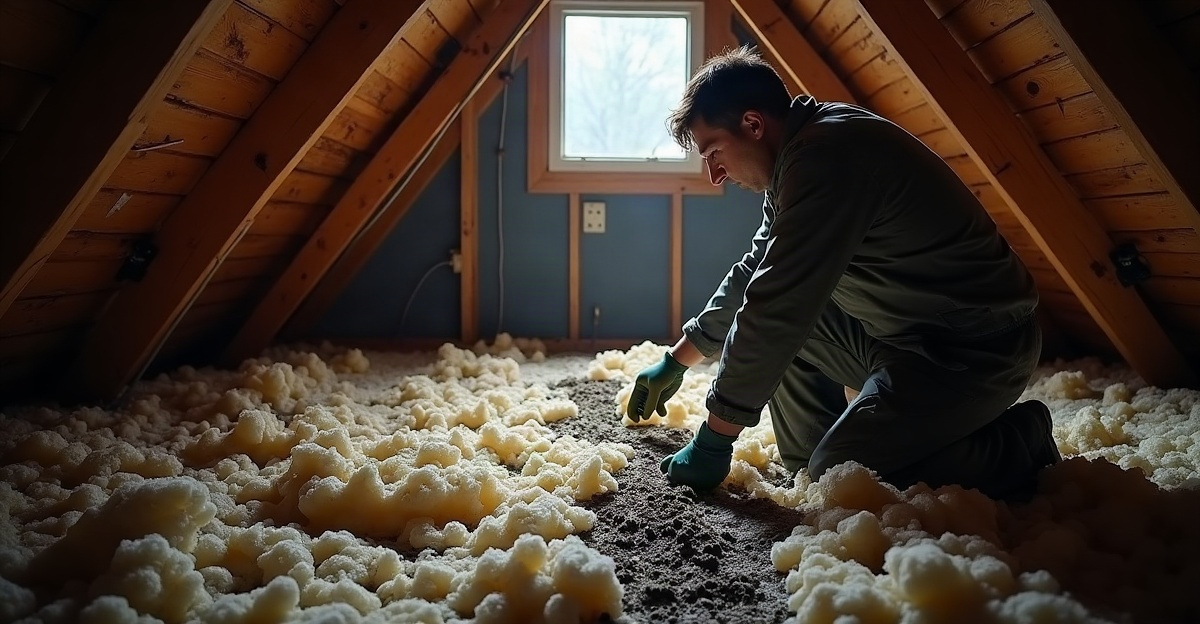
Common warning signs include exposed insulation in living areas, loose or falling material, heavy dust, wet insulation, moldy insulation, compression, persistent odors, and rodent contaminated insulation. Pest droppings, nesting material, urine odors, and insect activity can turn an attic or crawl space into an indoor air quality concern, particularly if air leaks connect those areas to the conditioned space.
Damaged insulation also loses thermal performance. Compressed batts leave gaps. Wet material may stop insulating effectively. Mold-affected material can indicate a roof leak, plumbing leak, condensation issue, or poor ventilation. Replacing insulation without correcting the cause can lead to the same problem again.
Professional evaluation is often the right next step for widespread wet insulation, mold growth, or contamination. We can provide attic and crawl space cleaning when debris or contamination must be addressed before new insulation goes in. If pests caused the damage, effective rodent proofing should accompany cleanup so the property remains protected.
What to Do If We Find Exposed, Damaged, or Suspect Insulation
Start by avoiding unnecessary disturbance. Moving deteriorating insulation can release dust, fibers, pest debris, or other contaminants into the air. This is especially important in older properties, where suspect materials may require asbestos testing and qualified assessment.
For small amounts of known, non-hazardous material, limit direct skin and eye contact and use appropriate protective equipment for the task. Avoid sweeping or blowing insulation debris through occupied spaces. Keep children and pets away from accessible material until it has been properly contained or repaired.
Do not disturb suspect asbestos-containing materials. We recommend contacting an asbestos professional for assessment when the building age, material type, or location raises concern. Proper identification should guide the next step; visual guesses can create unnecessary risk.
Qualified help is also appropriate for extensive moisture damage, major odor concerns after foam installation, widespread pest contamination, large insulation removal projects, or insulation remediation that involves multiple building systems. Our professional insulation removal service can help prepare the area for repairs and replacement while addressing contaminated or failing material responsibly.
Fire, Electrical, and Installation Safety Requirements
Insulation must be installed with proper clearances around heat-producing fixtures, chimneys, flues, vents, and electrical components. Product instructions and applicable building codes determine where a material can be placed and how it must be protected. Insulation cannot go everywhere without considering heat, airflow, moisture, access, and electrical safety.
Attic insulation safety requires particular attention around recessed lighting, exhaust ducts, furnace flues, chimneys, and attic hatches. Electrical clearance insulation requirements can vary by fixture type and installation method. Chimney clearance insulation requirements are also critical because high temperatures can create a fire hazard if combustible materials sit too close to the chimney or flue.
Insulation fire safety also depends on good installation practices. Blocking required ventilation paths can trap moisture and heat. Covering electrical junction boxes can make future service difficult. Filling cavities without air sealing may leave major drafts and allow humid air to reach cold surfaces.
We evaluate air sealing, attic ventilation, and moisture control alongside insulation work. These systems work together to support comfort, energy performance, and healthier indoor conditions. For property-specific requirements, consult local building officials or a qualified contractor who understands the applicable code and product instructions.
When a Professional Insulation Assessment Makes Sense
A professional insulation inspection can identify the material type, its condition, moisture sources, air leaks, ventilation concerns, contamination, and practical repair or replacement options. That information helps homeowners and commercial property owners decide whether insulation should be repaired, covered, contained, removed, or replaced.
We recommend an assessment before attic insulation replacement if existing material is wet, compressed, mold-affected, pest-contaminated, or unevenly installed. An inspection also helps determine whether adding material is enough or whether removal, air sealing, cleaning, and ventilation corrections should happen first. For homes with aging fiberglass, our fiberglass insulation service can restore consistent coverage where that material is the right fit. Blown-in insulation may be a practical option for open attic floors and hard-to-reach areas.
As an insulation contractor in Northern California, we focus on transparent, property-specific recommendations rather than fear-based sales tactics. Suspected asbestos, poorly installed spray foam, extensive rodent contamination, widespread moisture or mold damage, and significant removal work all call for experienced evaluation.
Properly installed insulation can help create a more comfortable, energy-efficient property. Damaged or contaminated insulation should be addressed with the underlying leak, humidity issue, ventilation problem, or pest entry point. To discuss an insulation estimate or schedule an insulation inspection in Northern California, contact our team for clear guidance on the appropriate next step.