When to Use Faced vs Unfaced Insulation at Home?
We select faced or unfaced insulation based on the location, existing insulation, moisture conditions, and the assembly’s need for a correctly positioned vapor retarder. Faced batts can work in open wall cavities where vapor control fits the assembly. We commonly use unfaced insulation for attic top-offs and layered applications over dry, intact insulation.
Key Takeaways
- Faced insulation includes kraft paper, foil, or another facing that can slow water-vapor movement. Unfaced insulation has no attached vapor-retarding layer.
- We recommend unfaced insulation for most attic top-offs. This avoids placing a vapor retarder on the wrong side of the assembly.
- We repair roof leaks, plumbing leaks, drainage issues, damp areas, rodent damage, and air leaks before we add insulation.
- Facing does not replace air sealing, waterproofing, or moisture repairs.
- We follow product instructions and local requirements, especially if faced insulation may remain exposed or sit near heat-producing equipment.
Quick Answer: Choosing Faced or Unfaced Insulation
Faced insulation is useful when a building assembly needs an appropriately placed vapor retarder. Unfaced insulation is commonly used where no facing is needed, when adding material over existing attic insulation, or where a vapor retarder would sit in the wrong location.
Faced batt insulation has an attached layer, often kraft paper or foil. Depending on the product, that layer may slow water-vapor movement through the assembly. Unfaced insulation has no attached vapor-retarding layer, which makes it a common choice for attic top-offs, layered applications, and areas that already have vapor control in the proper place.
For a clear foundation, review what insulation does before choosing a product. The correct answer depends on the location, climate, wall or ceiling design, current insulation, moisture conditions, and applicable requirements. Personal preference alone should not drive this decision.
A vapor retarder slows water vapor moving through a building assembly. Conditioned space means an area heated, cooled, or maintained for indoor comfort. Air sealing closes openings that let air leak in or out. Bulk water means liquid water from roof or plumbing leaks, poor drainage, standing water, foundation moisture, or similar sources.
Faced vs. Unfaced Insulation: Side-by-Side Comparison
| Faced Insulation | Unfaced Insulation | Best-Fit Situations | Key Cautions | Typical Questions to Ask Before Installing |
|---|---|---|---|---|
| Includes kraft paper, foil, or another attached facing. Product facings vary in vapor-control and fire-performance characteristics. | Has no attached vapor-retarding facing. | Faced batts may fit open exterior wall cavities during renovation if the assembly needs a vapor retarder in that location. Unfaced material often fits attic top-offs, layering over existing insulation, and assemblies with existing vapor control. | Faced insulation is not automatically better. Adding a vapor-retarding layer in the wrong place can limit drying and contribute to moisture concerns. Unfaced insulation is not automatically safer or more versatile either. | Is insulation already present? Is the area dry? Does the assembly need vapor control? Where should that layer go? Will the facing remain exposed? What do product instructions and local requirements allow? |
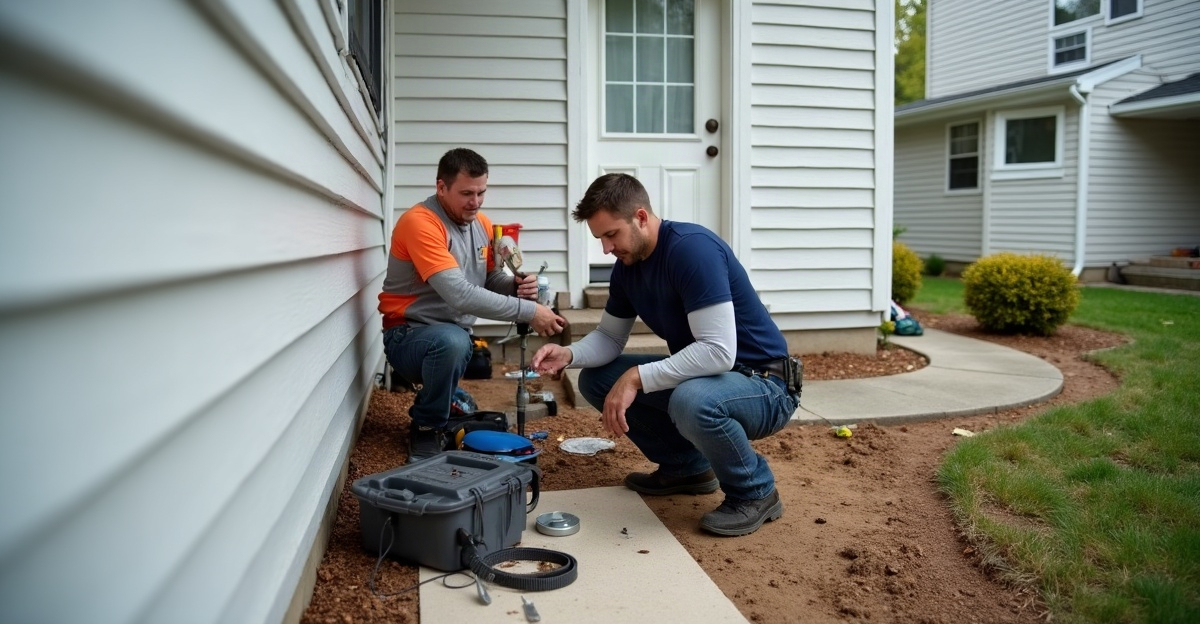
We evaluate the entire assembly, not simply the insulation product. That includes attic conditions, walls, crawl spaces, garages, ducts, ventilation, air leakage, and moisture evidence. A good installation starts with understanding how those parts work together.
Where Each Type May Fit in an Attic, Wall, Crawl Space, Garage, or Foundation Area
Walls and Attics
In open exterior wall cavities, faced batts may work when an appropriate vapor retarder is needed and correctly positioned. When a vapor retarder is appropriate, it is generally placed on the conditioned side of the assembly. This is not a universal rule. Local California requirements, product instructions, and the specific wall design control.
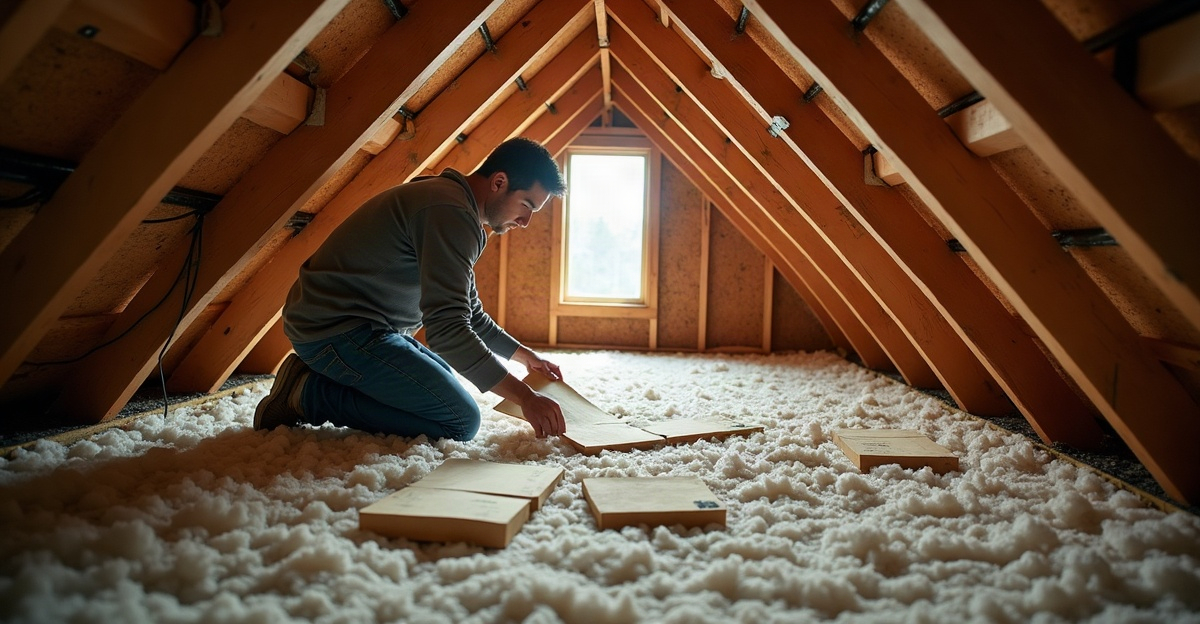
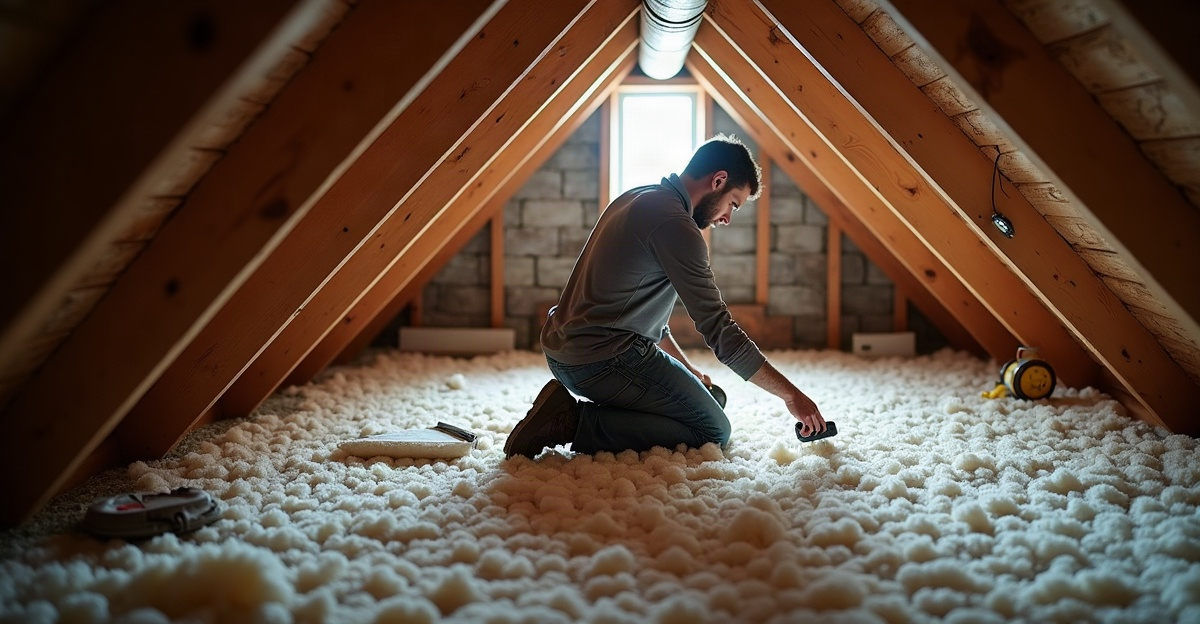
For attic top-offs, unfaced insulation is usually the practical choice because it can sit over existing insulation without adding a vapor-retarding layer in the wrong location. Before adding material, we check for moisture, damaged ducts, rodent activity, compressed insulation, and accessible air leaks. Our attic insulation services can address these conditions as part of a site-specific plan.
New attic insulation also calls for a full assessment. In Stockton, Sacramento, the Central Valley, and nearby Northern California areas, summer heat, uneven indoor temperatures, drafts, and high utility bills can point to attic insulation or air-leak issues. Those signs do not identify one cause by themselves, so inspection matters.
Crawl Spaces, Foundations, Garages, and Bonus Rooms
Crawl spaces need moisture control before insulation selection. Faced insulation does not fix standing water, poor drainage, foundation moisture, or an unsuitable venting or encapsulation design. We address those conditions first, then recommend appropriate crawl-space insulation.
Below-grade and foundation-adjacent walls also need special attention. Moisture management and assembly design should guide the insulation choice. A generic faced-versus-unfaced rule can create problems in these locations.
For garages and bonus rooms, we consider whether the adjacent area is conditioned, whether fire-separation requirements apply, and whether the facing would remain exposed. A garage ceiling below a living area may need a different approach than an exterior garage wall or an unfinished bonus-room cavity. For wall cavities, our wall insulation options can help improve thermal performance while accounting for the assembly’s needs.
Moisture, Air Leaks, and Existing Insulation Problems to Address First
Insulation facing is not waterproofing. It can help manage water-vapor movement in a suitable assembly, but it will not repair roof leaks, plumbing leaks, standing water, poor drainage, foundation moisture, or crawl-space water problems.
Air leakage is different from water vapor and bulk water. Facing alone is not a dependable air-sealing method. Drafts, hot or cold rooms, high utility bills, and uneven temperatures can signal accessible gaps that should be sealed before or alongside insulation work. Insulation slows heat transfer, while professional air sealing reduces uncontrolled airflow. These measures often perform best together.
We also inspect existing insulation before covering it. Damp, moldy, rodent-contaminated, compressed, or visibly damaged insulation may need removal or remediation before new material goes in. Covering damage can reduce performance and hide the source of the problem.
Property owners in Stockton, Sacramento, the Central Valley, and surrounding Northern California communities should request a site-specific assessment when moisture, rodent damage, duct damage, or uncertain existing conditions are present. We avoid promises of exact energy savings, complete moisture prevention, mold prevention, or guaranteed comfort changes because every home has different conditions.
Safety Rules for Faced Insulation and a Pre-Installation Checklist
Kraft- and foil-faced insulation can have exposure and fire-safety limits. Paper- or foil-faced batts must not remain exposed where local code requires a thermal barrier or other protective covering, or where exposure could create a fire risk.
Maintain required clearances around recessed lights, chimneys, flues, heat-producing equipment, and other heat sources. Follow the product label, manufacturer installation instructions, and applicable code. Kraft, foil, and other facings can differ significantly, so one product’s rules should never be assumed to apply to another.
Pre-Installation Checklist
- Identify the location: attic, exterior wall, interior wall, crawl space, garage, or basement/foundation area.
- Determine whether insulation is already present and whether it is dry, intact, and properly installed.
- Check for dampness, staining, mold concerns, rodent activity, damaged ductwork, compressed insulation, or visible damage.
- Locate accessible air leaks and bulk-water issues before installing insulation.
- Determine whether the assembly needs a vapor retarder and where it belongs.
- Verify manufacturer instructions and applicable local California requirements.
- Request a professional evaluation for uncertain, moisture-prone, or otherwise complex conditions.
Manufacturer instructions, California building-code resources where applicable, ENERGY STAR, the U.S. Department of Energy, and Building America guidance can help inform the review. For conditions that require an on-site assessment, we provide straightforward recommendations and transparent pricing.
Common Questions About Faced and Unfaced Insulation
Is Faced Insulation Better Than Unfaced Insulation?
No. The better choice depends on whether the assembly needs a vapor retarder, where that layer belongs, the existing insulation, moisture conditions, and local requirements.
Unfaced insulation can often go over faced insulation in attic top-off applications, provided the existing assembly is dry, undamaged, and suitable for additional insulation. In contrast, faced insulation over existing attic insulation can place vapor control in the wrong location. That is why unfaced material is commonly used for attic top-offs.
Facing should generally face the conditioned side when a vapor retarder is appropriate. Product instructions, applicable California requirements, and project-specific conditions control the final decision.
Is Faced Insulation Required, and Can It Remain Exposed?
Faced insulation is not automatically required in attic walls. Requirements vary by building design, climate zone, materials, and whether the space is conditioned.
Kraft- and foil-faced insulation may not be left exposed where code requires a thermal barrier or other protective covering. We confirm product instructions and applicable requirements before installation.
Insulation facing does not stop mold or solve moisture by itself. It may help control water-vapor movement in the right assembly, but it cannot fix leaks, drainage problems, standing water, or crawl-space moisture.
Rodent-damaged insulation should be evaluated when it is contaminated, compressed, damp, heavily damaged, or associated with active activity. Property owners in Stockton, Sacramento, the Central Valley, and nearby Northern California areas can request a free insulation estimate from ThermaCore Insulation Inc. for attic insulation, crawl-space insulation, insulation removal, air sealing, or rodent-damaged insulation assessment.