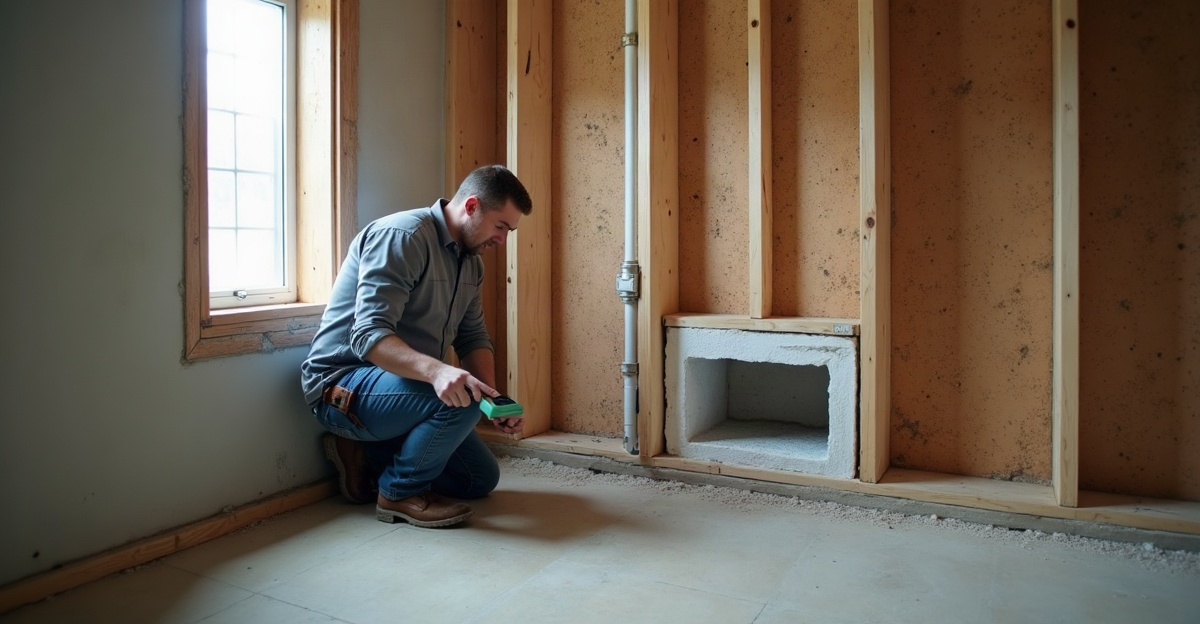
Can Insulation Get Wet and Still Work Properly?
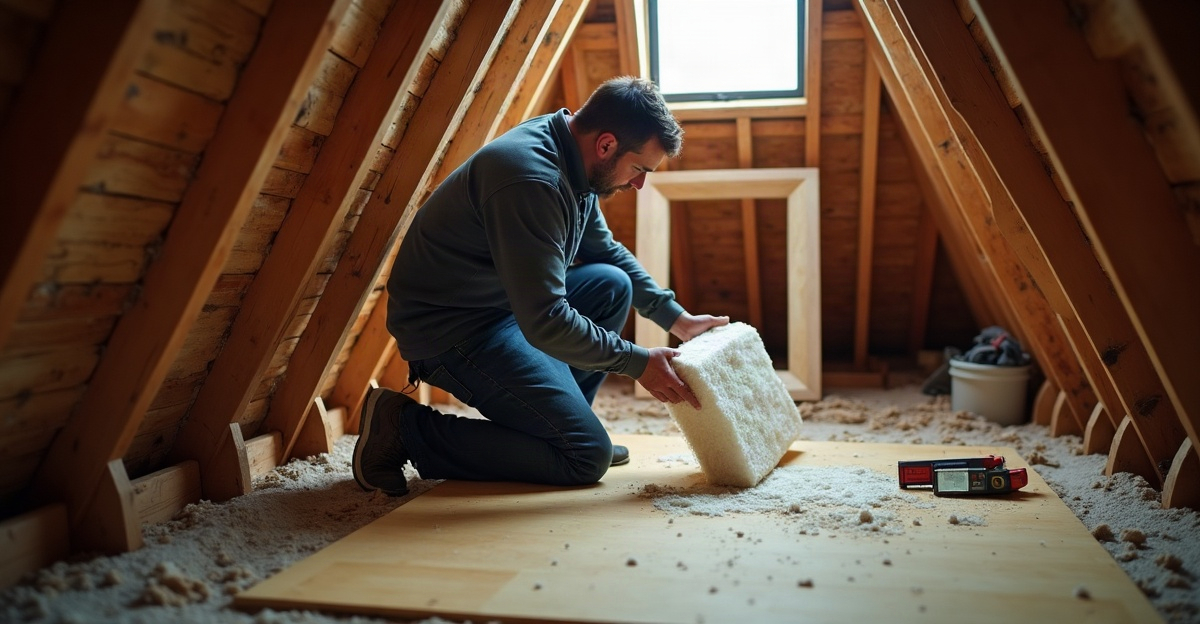
Wet insulation may still perform properly, depending on the material, the amount and type of water exposure, its ability to dry fully, and whether we repair the moisture source. Water can reduce R-value, compress insulation, cause settling, trap moisture, and damage nearby drywall, framing, and sheathing.
Key Takeaways
- Fiberglass may remain usable after minor clean-water exposure if we dry it fully and it stays fluffy, intact, and free from odors, stains, mold, or contaminants.
- Saturated or contaminated cellulose usually needs removal because it absorbs water, clumps, settles, and loses coverage.
- Open-cell spray foam can absorb and retain moisture. Closed-cell spray foam and rigid foam resist water more effectively, but we still inspect seams, penetrations, and nearby materials.
- A dry surface doesn’t confirm that insulation, wall cavities, attic spaces, or framing have dried completely.
- We repair leaks, condensation, drainage problems, and air-sealing gaps before we reinstall or replace insulation. This prevents repeated moisture damage.
The Short Answer: Wet Insulation May Still Work, but Conditions Matter
Insulation can get wet, but it may not continue working properly afterward. The outcome depends on the material, how much water reached it, how long it stayed wet, whether the water was clean or contaminated, whether it can dry fully, and whether the moisture source has been repaired.
R-value measures an insulation material’s resistance to heat flow. Wet, compressed, settled, or damaged insulation can lose R-value, making indoor temperatures less consistent and increasing heating and cooling demand. For a helpful overview of how insulation controls heat transfer, see what insulation does.
Here is the quick answer by material:
| Insulation type | What happens when wet | Whether drying may be possible | Common replacement triggers | Key inspection notes |
|---|---|---|---|---|
| Fiberglass batts | May lose loft and thermal performance when wet or compressed. | Possible after minor clean-water exposure if batts remain intact and dry completely. | Sagging, compression, damaged facing, dirt, odors, mold, or contamination. | Check shape, coverage, paper facing, staining, and materials around the batt. |
| Loose-fill cellulose | Absorbs moisture, clumps, settles, and can lose coverage. | Limited; significant wetting usually requires removal. | Saturation, clumping, settling, mold, odor, or contamination. | Check insulation depth, roof sheathing, ceiling drywall, and the leak source. |
| Open-cell spray foam | Can absorb water and retain moisture. | Depends on exposure and whether adjacent materials can dry. | Staining, retained moisture, substrate damage, or recurring leaks. | Inspect for leaks behind foam and moisture in framing or sheathing. |
| Closed-cell spray foam | Resists moisture better but can still be affected by prolonged water exposure. | Often, but surrounding materials must also be evaluated. | Failed seams, penetrations, trapped moisture, or damaged substrates. | Inspect transitions, joints, penetrations, and concealed framing. |
| Rigid foam board | Often resists moisture, depending on the product and installation. | Often possible if boards and surrounding materials remain sound. | Damaged facers, open seams, fastener failures, or moisture behind boards. | Check joints, seams, framing, drywall, subflooring, and sheathing. |
Insulation that feels dry on the surface is not automatically safe or fully effective. Moisture can remain inside wall cavities, under attic insulation, or against wood sheathing. Odors, reduced coverage, mold, sagging, and hidden framing damage may remain after visible water disappears.
What Happens When Fiberglass, Cellulose, Spray Foam, and Rigid Foam Get Wet
Can fiberglass insulation get wet? Yes. Fiberglass fibers do not inherently support mold growth, but dust, organic debris, binder, paper facing, and nearby wood or drywall can support it. Minor exposure to clean water may be manageable when batts dry fully, stay fluffy, hold their original shape, and show no staining, odor, or visible growth. Saturated, dirty, compressed, sagging, faced, or contaminated batts usually need replacement.
Cellulose presents a greater concern after water exposure. It can absorb substantial moisture, clump together, settle below the required depth, and lose insulating value. Borate treatment helps with pest and fire resistance, but it does not make cellulose waterproof. Saturated, moldy, contaminated, clumped, or settled cellulose typically needs removal and replacement.
Can spray foam insulation get wet? Open-cell spray foam is more vapor permeable and can absorb water. It should be inspected for retained moisture, staining, leaks behind the foam, and damage to the wood or sheathing beneath it. Closed-cell foam is more moisture resistant, but it is not immune to seam failures, penetrations, poor installation, or prolonged water exposure. No spray foam product should be treated as completely waterproof.
Can foam insulation get wet? Rigid foam board often handles moisture well, but product type and installation details matter. Water can reach materials through joints, seams, facers, fasteners, and penetrations. Drywall, framing, sheathing, and subflooring around the foam should also be inspected because those materials may hold moisture even if the board looks fine.
How to Tell Whether Wet Insulation Can Be Dried or Should Be Replaced
The decision starts with the material. Fibrous batts, loose-fill insulation, open-cell foam, closed-cell foam, and rigid boards respond differently to water. Other factors include whether the water was clean, how deeply it soaked the material, how long it remained wet, and whether the insulation can return to its original position and coverage.
Drying and monitoring may be reasonable after a small, recent clean-water incident. The insulation should remain intact and properly placed, with no odor, staining, mold, or contamination. The leak or moisture source must also be repaired first. Professional confirmation is still valuable when insulation is hidden inside a wall, ceiling, attic, or crawl space.
Replacement is generally the right call for saturated, clumped, settled, moldy, or contaminated cellulose. Replacement is also recommended for fiberglass that is compressed, sagging, dirty, moldy, contaminated, faced with damaged paper, or unable to dry completely. Sewage, floodwater, rodent contamination, persistent musty odors, recurring moisture, and visible mold are all clear warning signs.
Wet insulation paired with damaged drywall, roof sheathing, framing, ceiling materials, ductwork, or wiring requires a broader assessment. Sewage, floodwater, extensive mold, and major structural water damage are not routine DIY drying projects.
Where Wet Insulation Comes From and What to Do First
Wet insulation can result from roof leaks, seasonal rain, plumbing leaks, overflowing appliances, flood events, and construction exposure. Condensation on ducts or roof sheathing can also wet attic materials. Air leaks into an attic, inadequate ventilation, poor crawl-space drainage, high crawl-space humidity, foundation moisture, and rodent activity can create ongoing insulation problems.
In Stockton, Sacramento, and nearby Central Valley communities, hot summers, seasonal rain, aging homes, attic condensation, and crawl-space moisture can all contribute to damp insulation. Replacing insulation without repairing the roof leak, plumbing issue, drainage problem, condensation source, or air leak can lead to the same damage again.
What to Do If You Find Wet Insulation
Take these steps before disturbing the affected area:
- Stop or contain the water source if it is safe to do so.
- Avoid wet materials near electrical wiring, sagging ceilings, or damaged drywall.
- Photograph the affected area for insurance or repair records.
- Determine whether water may be contaminated by sewage, flooding, or rodents.
- Remove wet belongings or improve ventilation only when conditions are safe.
- Do not cover, enclose, or reinstall wet insulation.
- Arrange an inspection for widespread damage, recurring moisture, mold concerns, contaminated water, sagging ceilings, or inaccessible spaces.
An insulation contractor should assess the insulation type, extent of wetting, drying potential, odors, visible growth, moisture source, and condition of nearby framing or sheathing. For damaged materials that cannot be restored, professional insulation removal prevents old moisture and contamination from remaining in the assembly.
Preventing Repeat Moisture Damage With Air Sealing, Ventilation, and Proper Assembly
Insulation slows heat flow, but it does not stop a roof leak or plumbing failure. Air sealing reduces uncontrolled air movement that can carry humid indoor air into attics, walls, and other cavities. Vapor retarders slow vapor diffusion, while drainage, ventilation, and proper assembly design manage moisture on a larger level.
A vapor retarder alone will not solve every moisture problem. Effective control depends on climate, building design, ventilation, drainage, material placement, and local requirements. Repair leaks promptly, maintain roof penetrations, address duct condensation, improve exterior drainage, and manage crawl-space humidity. Proper installation also matters: insulation needs full coverage without gaps, compression, or exposure to recurring moisture.
Professional attic air sealing can help reduce warm, humid air movement into attic cavities, where condensation may form on cooler surfaces. For below-floor moisture concerns, crawl-space insulation should work alongside drainage and humidity-control measures rather than replace them.
Can insulation get wet when building a house? Brief rain exposure during construction is not automatically a failure. However, builders should never enclose insulation while it is wet. Materials should be inspected, allowed to dry, and replaced when batts are damaged or cellulose is wet. Sheathing, framing, and wall or ceiling cavities also need to be dry before they are closed. Requirements vary by location, building type, climate, and assembly design.
When to Call an Insulation Professional: FAQs and Next Steps
Professional evaluation is the right choice for widespread moisture, recurring leaks, mold concerns, sewage or floodwater, sagging ceilings, inaccessible attics or crawl spaces, damaged sheathing or framing, commercial properties, or unclear insulation conditions. A qualified contractor can determine whether drying is realistic or replacement will provide the safer, longer-lasting result.
Can Insulation Get Wet From a Roof Leak?
Yes. Roof leaks commonly wet attic insulation and may also damage ceiling drywall, wiring, roof sheathing, and framing. The roof repair must come before insulation replacement.
Can Fiberglass Insulation Get Wet and Still Be Used?
Sometimes. Minor clean-water exposure may be manageable if the batt dries fully, remains fluffy and correctly positioned, and has no odor, staining, mold, damaged facing, or contamination.
Can Spray Foam Insulation Get Wet?
Yes. Open-cell foam can absorb water. Closed-cell foam resists moisture better, but seams, penetrations, surrounding materials, and prolonged exposure still need inspection. A professional can assess whether spray foam insulation remains sound after a leak.
Does Wet Insulation Cause Mold?
Wet insulation does not automatically cause mold. However, moisture combined with paper facings, dust, wood, drywall, and other organic materials can create conditions that support mold growth.
How Long Does Wet Insulation Take to Dry?
Drying time varies by material, the amount of water, ventilation, temperature, humidity, and whether moisture is trapped in a wall, ceiling, attic, or crawl space. Surface dryness alone does not confirm complete drying.
Should Wet Attic Insulation Be Replaced?
It depends on material condition and contamination. Saturated cellulose, sagging fiberglass, mold, odors, floodwater, rodent contamination, and repeated wetting generally call for replacement. ThermaCore provides attic insulation services after the moisture source is corrected.
What Type of Insulation Can Get Wet Without Being Ruined?
Moisture-resistant foam products may handle limited exposure better than cellulose or fiberglass, but no insulation should be assumed immune to hidden moisture problems or water damage in nearby materials.
If you have wet, sagging, contaminated, or repeatedly damaged insulation in Stockton, Sacramento, or the surrounding Central Valley, ThermaCore Insulation Inc. can assess the affected area and provide clear recommendations for removal, air sealing, and replacement. Request a free estimate.