
Is Spray Foam Insulation Waterproof or Water Resistant?
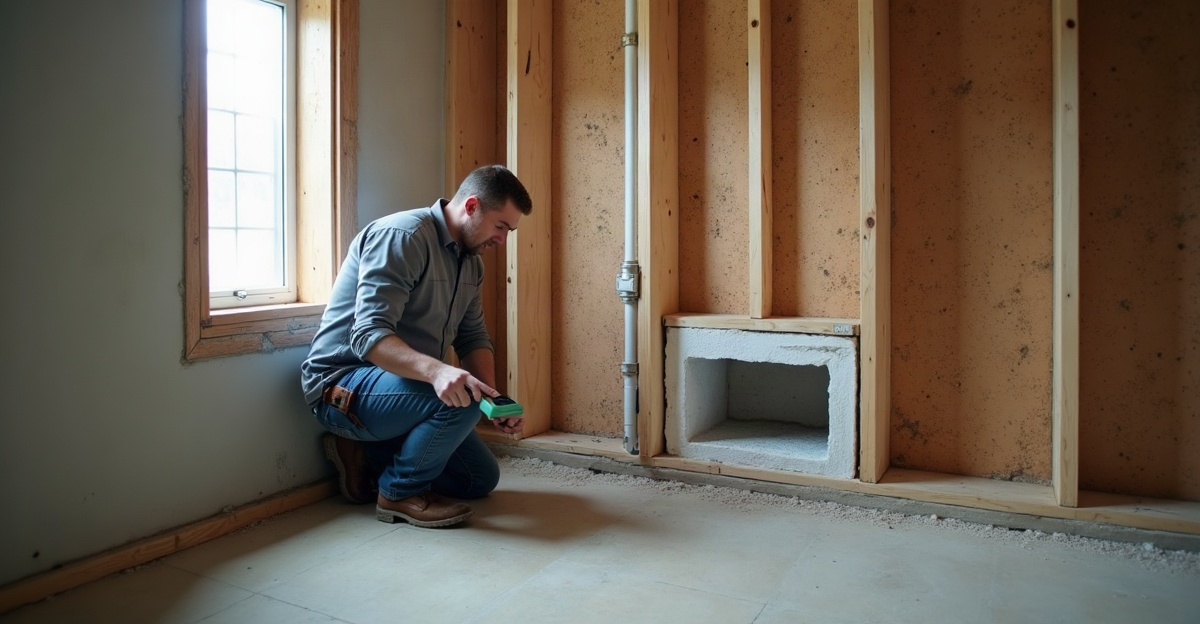
Closed-cell spray foam strongly resists water and supports air sealing and vapor control. Open-cell foam allows more vapor movement and can absorb water during major moisture exposure.
Neither foam type fixes active leaks, flooding, drainage problems, or wet building materials. We correct these issues before installing insulation.
Key Takeaways
- Closed-cell spray foam resists water better than open-cell foam, but it doesn’t replace a complete waterproofing system.
- Open-cell spray foam performs best in dry assemblies with dependable exterior water management.
- Air sealing and vapor control reduce moisture risks, but they can’t stop liquid water from roof leaks, plumbing failures, or groundwater entry.
- We install spray foam only on dry, properly prepared surfaces after correcting leaks, mold, rot, and damaged insulation.
- The best moisture-control plan depends on the water source, building assembly, climate, drainage, and installation area.
The Short Answer: Closed-Cell Is Highly Water-Resistant, but No Spray Foam Fixes Leaks
Spray foam insulation is not automatically waterproof. Closed-cell spray foam is highly water-resistant and has low vapor permeability, while open-cell foam is more vapor-permeable and can absorb water. Neither type should be used to cover up an active leak or flooding problem.
For anyone asking, “is spray foam insulation waterproof,” the practical answer is no. Closed-cell foam can help control moisture movement in the right building assembly, but it is not a universal waterproofing product. Likewise, whether spray insulation foam is waterproof is not a simple yes-or-no question because the answer depends on the foam type, installation location, and source of moisture.
Spray foam can improve comfort, reduce uncontrolled air movement, lower energy loss, and support long-term building durability after water-entry problems have been corrected. It cannot repair a leaking roof, failed plumbing line, poor drainage, or groundwater intrusion.
In Northern California, Central Valley heat, seasonal rain, older crawl spaces, poorly ventilated attics, building age, climate zone, and drainage conditions all affect the right recommendation. Damp crawl spaces, rodent-contaminated insulation, high utility bills, condensation, mold concerns, and damaged insulation often point to several connected issues rather than one simple insulation fix. Our insulation guide explains how insulation works alongside other building components.
Waterproofing, Water Resistance, Air Sealing, and Vapor Control Are Different Things
Waterproofing is a complete system intended to stop liquid-water intrusion under specified conditions. This may include exterior membranes, drainage systems, flashing, foundation treatments, or other water-management details.
Water resistance means a material can resist water to a degree but may not stop water in every condition or indefinitely. Closed-cell foam has strong water resistance, but that does not mean it can withstand ongoing flooding, repair a foundation crack, or replace proper drainage.
Air sealing reduces uncontrolled airflow through gaps and penetrations. Effective air sealing services can reduce humid air entering an assembly and lower condensation risk. Still, air sealing does not stop rainwater, groundwater, plumbing leaks, or floodwater.
Vapor control manages the movement of water vapor through a wall, roof, floor, or crawl space assembly. Water vapor is moisture in the air. Bulk water is liquid water from rain, roof leaks, plumbing leaks, groundwater, flooding, or drainage failures. A vapor-permeable material allows water vapor to pass through more readily.
These differences matter because a material that limits vapor diffusion or humid airflow cannot correct an active roof leak, poor grading, or foundation water intrusion. California and local code requirements, along with the full building assembly, determine whether vapor control is needed and where it belongs.
Open-Cell vs. Closed-Cell Spray Foam: How They Handle Moisture
| Category | Open-Cell Spray Foam | Closed-Cell Spray Foam |
|---|---|---|
| Water absorption and resistance | Can take on water during significant moisture exposure | Highly water-resistant |
| Vapor permeability | Generally more vapor-permeable | Generally much lower vapor permeability |
| Air-sealing performance | Air-sealing when properly installed | Air-sealing when properly installed |
| Typical R-value per inch | Generally lower | Generally higher |
| Best-fit applications | Dry wall and attic assemblies with sound exterior water management | Assemblies needing high R-value per inch and added vapor control |
| Key limitations | Not suited to recurring bulk-water exposure | Does not replace leak repairs, drainage work, or waterproofing systems |
Open-cell foam expands significantly and creates an effective air seal when installed correctly. Because it is more vapor-permeable and can absorb water under significant exposure, we do not recommend it where recurring liquid-water exposure is likely.
Closed-cell foam is denser, more rigid, and far more water-resistant than open-cell foam. It can support vapor control in suitable assemblies and generally delivers a higher R-value per inch. Exact R-value, water resistance, and vapor-permeability performance vary by product, thickness, and manufacturer technical data.
Neither product makes every wall, roof, crawl space, or foundation “waterproof.” Foam cannot replace roof repair, plumbing repair, foundation repair, grading corrections, gutters, downspouts, or drainage improvements. Our spray foam insulation services begin with evaluating the location and conditions before recommending a foam type.
Where Spray Foam Can Support Moisture Control
Spray foam may be beneficial after the moisture source has been corrected, the assembly has been evaluated as a whole, and the selected foam fits the specific location.
In crawl spaces with humid-air concerns, foam may help control air movement after drainage and water-entry issues are resolved. The full plan may also include ground vapor barriers, drainage improvements, dehumidification, ventilation adjustments, and crawl space encapsulation where appropriate.
Rim joists often leak air and can experience condensation when warm, humid air reaches cold surfaces. Properly applied foam can reduce this airflow pathway when surrounding materials are dry and the assembly is properly designed.
Some basement and foundation-adjacent interior applications may benefit from closed-cell foam, but these areas need a moisture assessment and applicable code review before installation. Metal buildings and commercial spaces may also use foam as part of a broader condensation-control and insulation design.
Attics and walls require sound roof and exterior water-management details before foam is installed. For projects where spray foam is not the best fit, our attic insulation services can address aging or underperforming materials with a practical approach.
Homes and commercial buildings in Stockton, Sacramento, the Central Valley, and nearby Northern California communities do not all need the same moisture-control strategy. Building design and the source of water should guide every recommendation.
Spray Foam Will Not Fix These Problems
Insulation should be installed only after the underlying moisture cause has been identified and corrected. The following conditions require repair or further evaluation first.
Conditions That Need Correction Before Installation
- Active roof leaks
- Plumbing leaks
- Flooding or stormwater entry
- Foundation cracks allowing water intrusion
- Poor grading around the building
- Clogged or missing gutters and downspouts
- Failed drainage systems
- Wet framing, sheathing, or subfloors
- Existing mold growth or rot
Wet, damaged, rodent-contaminated, or underperforming insulation may need professional removal and replacement before new insulation goes in. Covering damaged materials can conceal the problem and complicate future repairs.
Spray foam itself is not a food source for mold. Mold can still grow on wood, dust, drywall paper, and other surrounding materials if moisture remains. Foam does not prevent mold on its own; moisture control remains the essential step.
Installation quality also matters. The substrate must be dry and suitable for application. We identify visible leaks before work begins and consider foam type, depth, substrate preparation, moisture testing where needed, and jobsite conditions. Poor installation can affect performance or hide existing damage.
Choosing the Right Approach for Your Building and When to Request an Assessment
The right approach depends on the area involved, the moisture source, building age, crawl space design, ventilation, climate zone, and condition of existing insulation. Before choosing spray foam, we recommend confirming whether the concern is liquid water, humid air, condensation, vapor movement, air leakage, or a combination.
Start by checking for active leaks, standing water, damp framing, mold, rot, or wet insulation. Review roof, plumbing, foundation, grading, gutter, and drainage performance. Then determine whether open-cell or closed-cell foam fits the location and assembly. Additional work may include roof or plumbing repair, vapor barriers, drainage improvements, gutter maintenance, dehumidification, ventilation changes, crawl space work, or insulation replacement. Our crawl space insulation services can help address suitable dry crawl space assemblies after water concerns are resolved.
Is closed-cell spray foam waterproof? Closed-cell foam is highly water-resistant and has low vapor permeability, but it does not replace a complete waterproofing system or repairs to active water-entry problems.
Can spray foam be used in a crawl space? It may be appropriate after drainage, groundwater, and other water-entry concerns have been corrected and the full assembly has been evaluated.
Will spray foam stop a roof leak? No. Repair the roof leak and dry affected materials before installing insulation.
Does open-cell spray foam absorb water? It can take on water when exposed to significant moisture and is generally more vapor-permeable than closed-cell foam.
Can mold grow behind spray foam insulation? Mold can grow on surrounding organic materials when moisture remains present.
Should wet insulation be removed before installing spray foam? Wet, damaged, or contaminated insulation should be evaluated and typically removed or replaced after the moisture source is corrected.
Is spray foam a vapor barrier? Some closed-cell products at appropriate thicknesses can provide vapor control, but performance depends on the specific product, thickness, and assembly.
If you have wet, damaged, or underperforming insulation—or you are unsure whether moisture has been fully addressed—ThermaCore Insulation Inc. can evaluate your insulation needs and provide a clear estimate for the right next steps.